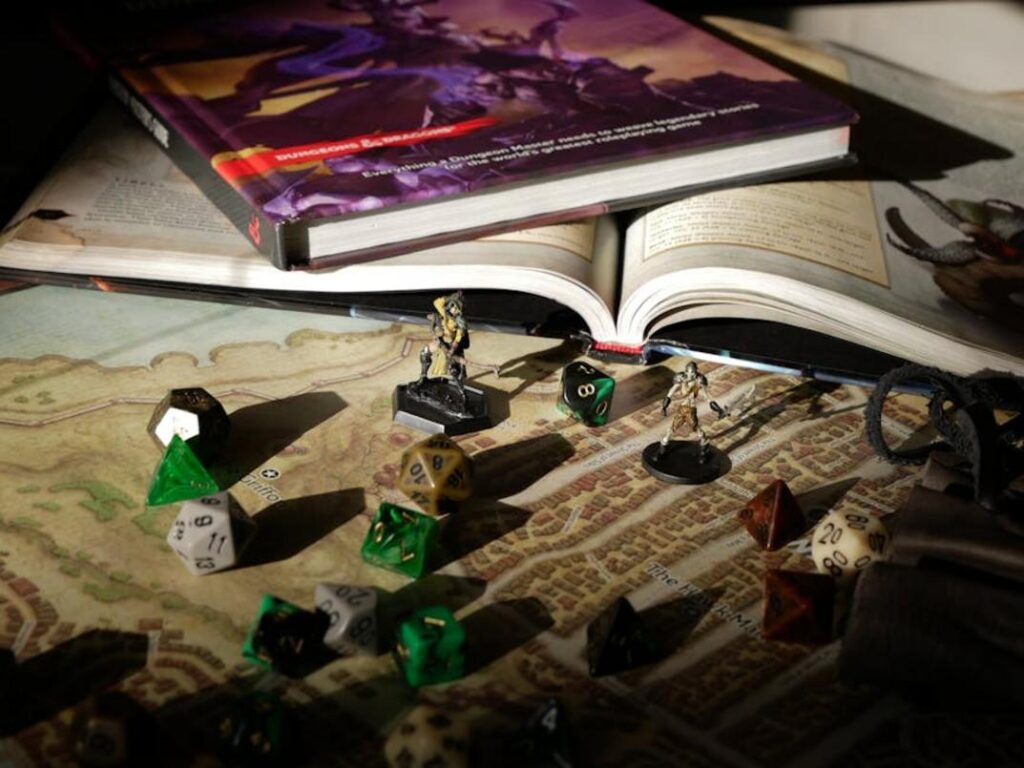

Ever had a favorite game just vanish? It’s frustrating and infuriating. Developers pull the plug, and you’re left grieving a digital loss. the open-source gaming importance comes in.
I’m talking about a real solution, not just some freebie gimmick. I’ve been deep in the Linux and open-source gaming communities for years, and I know this stuff inside out.
Open-source lets players and creators take control. No more helpless waiting for updates that never come. It’s about empowerment and innovation, and understanding it can change how you see gaming’s future.
Why does this matter? Because gaming should be ours to shape.
Stick around, and you’ll see why open-source isn’t just a trend. I’ll break down its significance and what it means for you and the gaming world.
Open-Source Gaming: More Than Meets the Eye
Open-source gaming isn’t just about playing for free. It’s about having access to the game’s blueprint, known as the source code. Imagine a secret recipe locked away in a vault (that’s closed-source).
Now picture a family recipe that everyone can tweak and improve. That’s open-source. It’s a world where you, me, or anyone can dive in, make changes, and share them with the community.
Now, don’t confuse this with ‘freeware’ where the game is free, but the code is locked tight. Or ‘free-to-play’ games that lure you in with no upfront cost but bombard you with microtransactions. Those are different beasts entirely.
Take Minetest, for example. It’s an open-source alternative to Minecraft, offering endless possibilities for customization. Or the Godot engine, which empowers developers to create and modify games from scratch.
These examples show the real open-source gaming importance in fostering creativity and collaboration.
Curious about diving deeper into this world? You can learn more about the best tools for open-source game development. It’s a community-driven movement, and it’s exciting to be part of something so changing.
Who wouldn’t want to contribute to the next big thing?
For the Players: True Game Ownership and Freedom
Let’s get real. Games should be ours to treasure, long after developers have moved on. When a game is open-source, it can live indefinitely.
With game preservation in mind, open-source gaming is important. The community’s dedication keeps the heart of the game beating. It’s not just nostalgia.
How does that work? If the original developer retires or shifts focus, the community can step in. They can update the game for new systems, run their own servers, and make sure it never truly “dies.” It’s like your favorite album that never scratches.
It’s a way of life for gamers who want their favorite titles available forever.
Now, who doesn’t love customizing their games? Open-source games offer unmatched customization opportunities. You can dive deep into the code and create mods that go far beyond cosmetic tweaks.
I’m talking full gameplay changes. You want to fix a bug? Do it yourself.
Want to create a whole new experience from an existing game? Go for it. This freedom allows players to mold games into something uniquely theirs.
Customization is more than skin deep. It’s about ownership. It’s about taking a game and making it your game.
That’s the beauty of it all. Anything less just feels like settling.
Security and transparency are big deals too. When you have access to the source code, you can see what’s going on under the hood. This openness means any security flaws or invasive telemetry won’t go unnoticed.
Many eyes on the code can catch and fix issues that would otherwise stay hidden. It’s peace of mind knowing your data isn’t being siphoned off somewhere.
Transparency isn’t just about security, though. It’s about trust. When you know what your game is doing, you’re in control.
That’s not just important. It’s key.
For gamers, understanding the open-source gaming importance is key. It’s not just a buzzword; it’s a way to gain true ownership and freedom over what we love. If we want our games to evolve with us, breaking free from closed-source limitations is the only way forward.
Let’s face it. Open-source gaming isn’t just important. It’s a game-changer.
For the Creators: A Catalyst for Innovation and Learning
Ever tried to break into the game development world? It’s tough. But open-source game engines like Godot and Bevy are shaking things up.
You know why? They tear down those pesky financial barriers. Remember when only big studios could afford high licensing fees?
Now, you don’t need a fat wallet, just a solid idea and some grit.
We’ve all got something to contribute, right? That’s the beauty of open-source. You can dive into the code of others, learn, and sometimes even improve on it.
Imagine fixing a bug and pushing it back into the community. That’s power. And if you’re stuck on a problem?
No stress. A global network of peers is just a query away. We’re talking about people all over the world ready to lend a hand.
Now, the question is: why reinvent the wheel? This collaborative environment lets us build on existing work. If someone else has cracked a problem, why not use their solution and create something even cooler?
It’s a playground of innovation, and we’re all invited.
A bold shift is happening. Open-source isn’t just a buzzword; it’s key. It paves the way for creativity, for trailblazing developers who aren’t bogged down by old red tape.
And you can be part of it too. Ready to contribute open source game projects? This is your call to arms.
Let’s create something amazing together. The future of gaming is in our hands.
The Linux & Steam Deck Revolution: Open-Source in Action
Open-source gaming importance is more than just a buzzword (it’s) the backbone of a new era in gaming. Take the Steam Deck, for example. This isn’t just some gadget; it’s a proof of concept for what open-source can do.
With tools like Proton, which lets Windows games run smoothly on Linux, we’re seeing a shift. And it’s a big one.
Doesn’t it feel like we’re finally breaking free from the chains of proprietary systems? I think so. The Steam Deck shows that open-source isn’t just for hobbyists anymore.
It’s mainstream. Mesa graphics drivers are another piece of this puzzle, making sure your GPU doesn’t just sit idle.
Why does this matter? Because it gives both users and developers more control. You want to tweak your system for better performance?
Go ahead. Developers have a stable, open platform to target. It’s like having a blank canvas that anyone can paint on.
But let’s not forget the community. Open-source thrives on collaboration. The more people contribute, the better it gets.
It’s a cycle of improvement.
In the end, the Steam Deck isn’t just a device. It’s a statement. A the power of open-source.
And if you ask me, it’s about time the gaming world caught up.
Level Up Your Gaming Experience
Games vanish. Corporations grip them tight. open-source gaming importance shines. It’s not just free games.
It’s preservation, control, and creativity. You want control, right? We all do.
Open-source gaming gives players and creators alike the keys to the kingdom. Tired of games disappearing? Tired of the corporate chokehold?
Dive into the open-source area. Start small. Download an open-source game.
Explore Itch.io’s open-source section. Find your next favorite. It’s a community-driven solution to a long-standing problem.
Ready to reclaim your gaming freedom? Jump in. Explore.
Discover. You’ll be glad you did. Your gaming world awaits.
 Founder & Chief Visionary Officer
Ask Eloria Neythanna how they got into tech industry buzz and you'll probably get a longer answer than you expected. The short version: Eloria started doing it, got genuinely hooked, and at some point realized they had accumulated enough hard-won knowledge that it would be a waste not to share it. So they started writing.
What makes Eloria worth reading is that they skips the obvious stuff. Nobody needs another surface-level take on Tech Industry Buzz, Proton Compatibility Insights, Linux Setup Optimization Tips. What readers actually want is the nuance — the part that only becomes clear after you've made a few mistakes and figured out why. That's the territory Eloria operates in. The writing is direct, occasionally blunt, and always built around what's actually true rather than what sounds good in an article. They has little patience for filler, which means they's pieces tend to be denser with real information than the average post on the same subject.
Eloria doesn't write to impress anyone. They writes because they has things to say that they genuinely thinks people should hear. That motivation — basic as it sounds — produces something noticeably different from content written for clicks or word count. Readers pick up on it. The comments on Eloria's work tend to reflect that.
Founder & Chief Visionary Officer
Ask Eloria Neythanna how they got into tech industry buzz and you'll probably get a longer answer than you expected. The short version: Eloria started doing it, got genuinely hooked, and at some point realized they had accumulated enough hard-won knowledge that it would be a waste not to share it. So they started writing.
What makes Eloria worth reading is that they skips the obvious stuff. Nobody needs another surface-level take on Tech Industry Buzz, Proton Compatibility Insights, Linux Setup Optimization Tips. What readers actually want is the nuance — the part that only becomes clear after you've made a few mistakes and figured out why. That's the territory Eloria operates in. The writing is direct, occasionally blunt, and always built around what's actually true rather than what sounds good in an article. They has little patience for filler, which means they's pieces tend to be denser with real information than the average post on the same subject.
Eloria doesn't write to impress anyone. They writes because they has things to say that they genuinely thinks people should hear. That motivation — basic as it sounds — produces something noticeably different from content written for clicks or word count. Readers pick up on it. The comments on Eloria's work tend to reflect that.